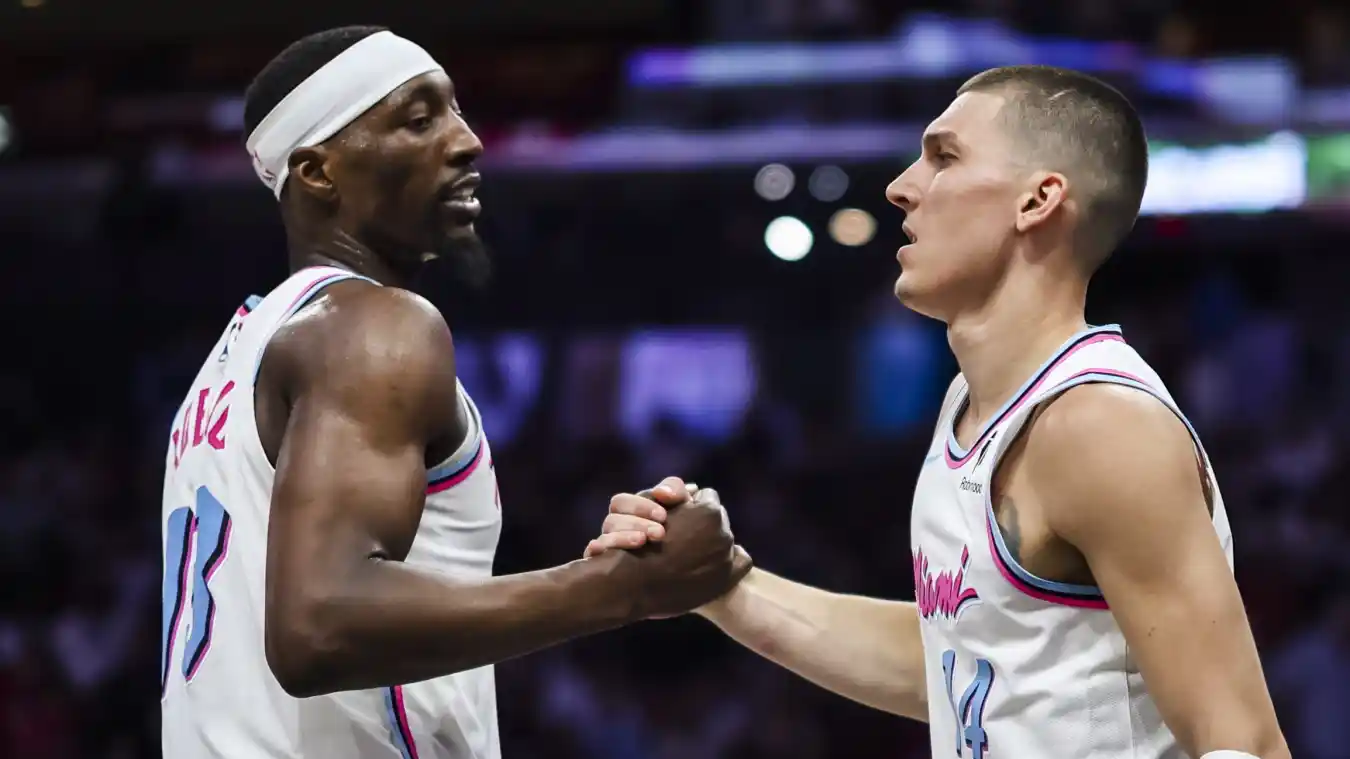
The NBA is built on competition, emotion, and high-pressure moments. Players spend thousands of hours together, fight for championships, and sometimes experience disagreements behind closed doors.
The reported Bam Adebayo Tyler Herro dispute became a major basketball talking point because both players were important parts of the Miami Heat’s recent era. Fans naturally wanted answers: What happened? Was it a serious personal conflict? Could it affect their relationship or future NBA storylines?
However, when controversies involving professional athletes emerge, separating confirmed information from speculation becomes extremely important.
Not every social media post, anonymous comment, or viral headline represents the complete truth.
This article examines what has been reported, what remains uncertain, and how NBA professionals evaluate situations like this.
What Happened in the Reported Bam Adebayo Tyler Herro Dispute?
According to reports from several sports media outlets, Bam Adebayo and Tyler Herro were involved in a physical confrontation during the NBA offseason period.
The reports suggested that the disagreement escalated after tensions between the former Miami Heat teammates. However, the exact details of the conversation, the reason behind the argument, and the full sequence of events have not been publicly confirmed by both players.
This distinction matters.
A headline can spread around the world within minutes, but the complete context often takes much longer to emerge.
In modern sports coverage, early reports usually come from:
- Team sources
- People familiar with the situation
- League insiders
- Witnesses
Journalists often rely on anonymous sources because players and teams do not always immediately comment publicly.
How Reliable Are the Reports? Separating Confirmed Facts From Anonymous Claims
One of the biggest challenges in sports journalism is understanding the difference between confirmed information and reported information.
A responsible reader should ask:
Who reported it? How was it verified? Is there official confirmation?
Here is how information around NBA controversies is usually classified.
| Evidence Level | Meaning |
|---|---|
| Officially confirmed | Information directly released by players, teams, the NBA, or supported by clear evidence |
| Reported by reputable outlets | Information published by established sports journalists using verified sources |
| Unverified claims | Social media rumors, anonymous posts, or statements without independent confirmation |
In NBA reporting, anonymous sources are common. Major sports organizations frequently use them because people inside teams may not be authorized to speak publicly.
However, anonymous reporting does not mean every detail is automatically true.
Professional journalists usually look for:
- Multiple independent sources
- Consistent details between reports
- Statements from involved parties
- Supporting evidence
The details of a story can also change over time as more people provide information.
That is why responsible reporting avoids rushing to conclusions.
Why NBA Locker Room Conflicts Usually Stay Private
Fans often see NBA teams as perfect groups of friends. In reality, professional basketball teams are workplaces with intense pressure.
Players compete for:
- Playing time
- Leadership roles
- Contracts
- Recognition
- Championships
Disagreements can happen in any competitive environment.
However, most NBA conflicts never become public.
Why?
Because teams have systems designed to handle internal issues.
The process often looks like this:
Player disagreement
        ↓
Private conversation
        ↓
Veteran leadership involvement
        ↓
Coaching staff evaluation
        ↓
Front office involvement if necessary
        ↓
Public statement only when required
Veteran players often help younger teammates handle emotional situations. Coaches and team executives also work behind the scenes to maintain team chemistry.
The unusual part of many NBA controversies is not always the disagreement itself.
It is the fact that the disagreement becomes public.
Myth vs Reality: What Fans Often Get Wrong About NBA Disputes
NBA controversies often create strong reactions online. But some common assumptions do not always match reality.
| Myth | Reality |
|---|---|
| One argument means two players hate each other | Competitive disagreements do not always destroy professional relationships |
| Every physical incident automatically leads to suspension | Discipline depends on evidence, timing, league rules, and circumstances |
| Social media reveals the entire story | Online discussions often contain speculation and incomplete information |
| Silence means someone is guilty | Players often avoid comments because of advice from teams, agents, or legal representatives |
| Every trade happens because players dislike each other | NBA trades involve contracts, salary rules, team strategy, and roster planning |
The NBA is both a sport and a business.
Many decisions that appear personal from the outside involve complicated basketball and financial factors.
Why Timing Matters: How the Summer League Environment Changes NBA Stories
The environment surrounding an incident can influence how quickly information spreads.
NBA Summer League, especially in Las Vegas, creates a unique atmosphere.
Unlike the regular season:
- Players from different teams often share the same venues.
- Media members have increased access.
- Scouts, executives, agents, and basketball personnel are present.
- More basketball figures interact in public spaces.
This creates more opportunities for stories to reach reporters.
A disagreement that might remain private during the regular season could attract attention in a more open offseason environment.
The timing also matters emotionally.
Trades, contract discussions, and changes in team roles can create complicated feelings for players.
However, understanding the environment does not mean assuming a specific reason behind a disagreement.
Context helps explain why stories develop, but evidence determines what is true.
How NBA Insiders Evaluate Controversial Incidents
Experienced NBA reporters, executives, and analysts usually avoid judging situations based on a single piece of information.
They consider a hierarchy of evidence.
1. Official Statements
Statements from:
- The NBA
- Teams
- Players
usually carry the highest level of public confirmation.
2. Direct Evidence
Examples include:
- Video footage
- Public statements
- Documented events
3. Multiple Independent Reports
When several respected journalists report similar information independently, confidence increases.
4. Source Credibility
Reporters consider:
- Who provided the information?
- Does that person have access?
- Has the source been reliable before?
5. Long-Term Pattern
One incident rarely defines an entire player’s character.
Teams usually evaluate:
- Leadership history
- Professional behavior
- Team relationships
- Overall performance
A single disagreement is viewed differently from repeated behavioral issues.
Could the Dispute Affect Bam Adebayo and Tyler Herro’s NBA Careers?
At this stage, the long-term impact depends on confirmed developments.
NBA organizations typically evaluate situations based on whether they affect:
- Team chemistry
- Player availability
- Professional conduct
- Future relationships
Both Adebayo and Herro have established themselves as important NBA players.
A single reported incident does not automatically define their careers.
Professional sports history includes many examples of teammates who experienced disagreements but continued successful careers.
Why Fans Should Wait Before Reaching Conclusions
Sports news moves extremely fast.
A rumor can become a trending topic before all facts are available.
The best approach is simple:
- Check reliable sources.
- Look for confirmation.
- Separate facts from opinions.
- Avoid treating online reactions as evidence.
The most accurate stories often develop over time.
Frequently Asked Questions (FAQ)
Did Bam Adebayo and Tyler Herro officially confirm a dispute?
No complete public explanation from both players has established every detail of the reported incident.
Are NBA teammate conflicts common?
Disagreements happen in competitive environments, but most are handled privately within teams.
Does every NBA altercation result in suspension?
No. League decisions depend on evidence, circumstances, and official investigations.
Why do NBA rumors spread so quickly?
The combination of social media, fan interest, and 24-hour sports coverage can make stories viral before all details are known.
Should fans believe every report about NBA players?
No. Readers should consider the source, evidence, and whether multiple reliable outlets confirm the information.
Final Thoughts
The reported Bam Adebayo Tyler Herro dispute shows how quickly NBA stories can become global conversations.
However, understanding a controversy requires more than reading a headline.
The most reliable approach is to separate confirmed facts from anonymous reports, understand how NBA organizations handle internal disagreements, and avoid assumptions before all information becomes available.
Basketball is emotional. Players compete fiercely, and disagreements can happen. But the full story usually requires patience, reliable reporting, and proper context.
In the NBA, the headline arrives quickly.
The truth usually takes longer.
Suggested Sources for Readers:
Related Stories
While sports controversies often focus on player relationships and team dynamics, other public figures can also face intense scrutiny when their actions become national discussions. For example, the case involving former Wisconsin Judge Hannah Dugan attracted significant attention after her obstruction conviction and sentencing developments.
Read more: Judge Hannah Dugan: Obstruction Conviction, Sentencing, and What Happens Next